---
title: Taking Aerospace and Defense Innovation to New Heights Highlights from the European Aerospace & Defense Summit
description: Recap of the 2026 European Aerospace & Defense Summit — key insights, top speakers, and innovation-driven strategies shaping the future of the aerospace & defense industry
image: https://blog.generisgp.com/hubfs/Screenshot%202026-07-18%20012805-1.png
---
[Skip to content](https://blog.generisgp.com/blog/taking-aerospace-and-defense-innovation-to-new-heights-highlights-from-the-european-aerospace-defense-summit#main-content)
[%20(1).png?width=773&height=112&name=Generis%20Logo%20full%20Colour%20(Large)%20(1).png "Generis Logo full Colour (Large) (1)")](https://blog.generisgp.com/blog)
- [Aerospace & Defense](https://blog.generisgp.com/blog/tag/aerospace-defense),
- [Networking](https://blog.generisgp.com/blog/tag/networking),
- [Summit Recap](https://blog.generisgp.com/blog/tag/summit-recap)
# Taking Aerospace and Defense Innovation to New Heights Highlights from the European Aerospace & Defense Summit
- August 12, 2026
[Devyn Smith](https://blog.generisgp.com/blog/author/devyn-smith)
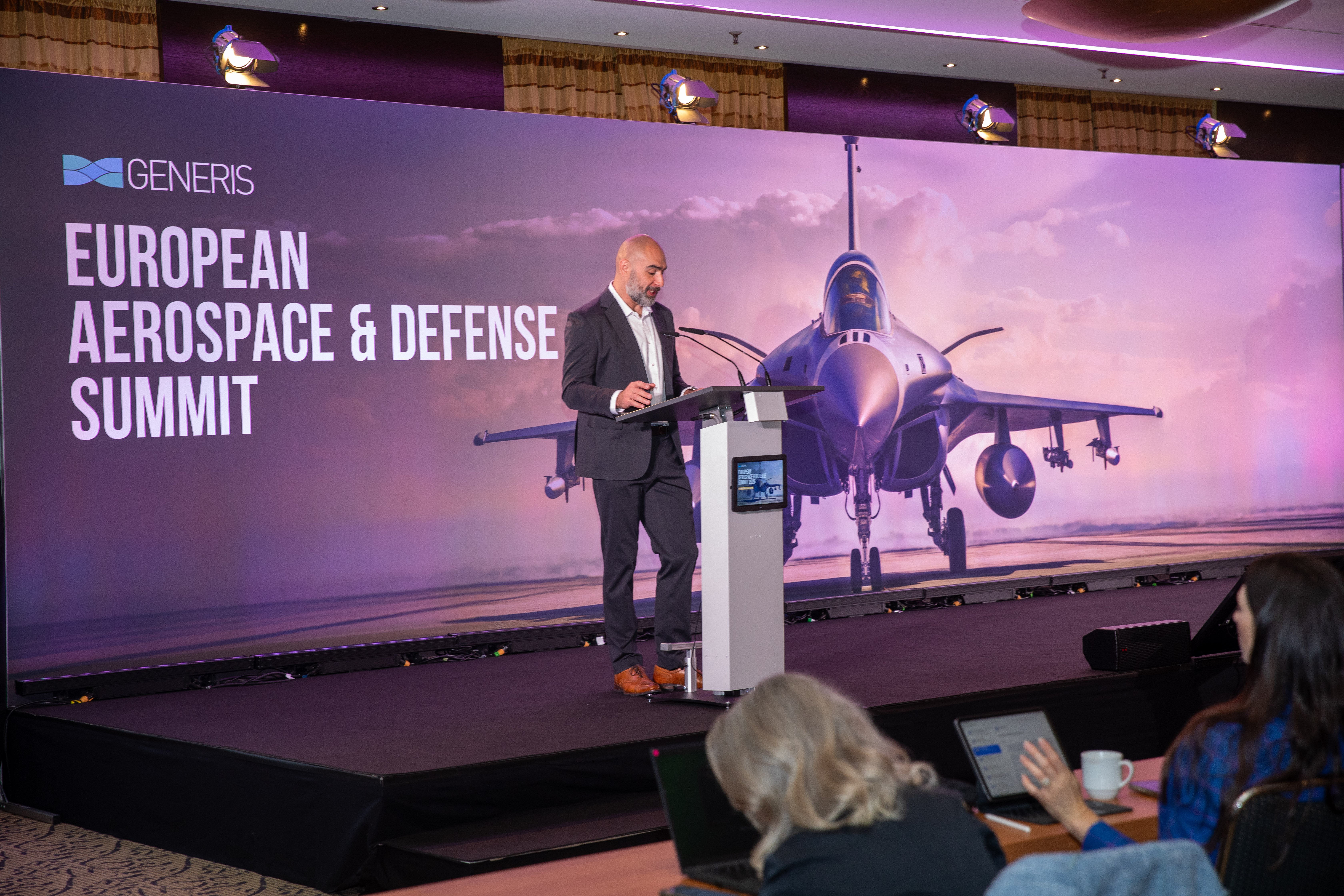
The [European Aerospace & Defense Summit](https://aerosummiteu.com/) brought together senior leaders from across the aerospace, defense, and space sectors for two days of strategic discussion, knowledge-sharing, and high-value industry connections. Held on 2-3 June at the Maritim Hotel Düsseldorf in Düsseldorf, Germany, the summit provided an important forum for executives navigating rising production demands, complex global supply networks, evolving security priorities, and rapid technological change.
This year’s program explored the challenges and opportunities shaping the future of the industry, from strengthening supply chain resilience and accelerating production readiness to advancing digital manufacturing, automation, and additive technologies. Discussions also addressed supplier performance, cost efficiency, operational excellence, and the uncompromising quality and precision required across aerospace and defense systems.
We are deeply grateful to everyone who contributed to the success of this year’s summit. A special thank you to our emcees, speakers, and sponsors, whose expertise, leadership, and participation brought focus, energy, and momentum to every session. It was an honor to have you lead these important conversations and share the practical insights helping move the industry forward.
---
**Day 1: Launching Two Days of High-Impact Industry Insights**
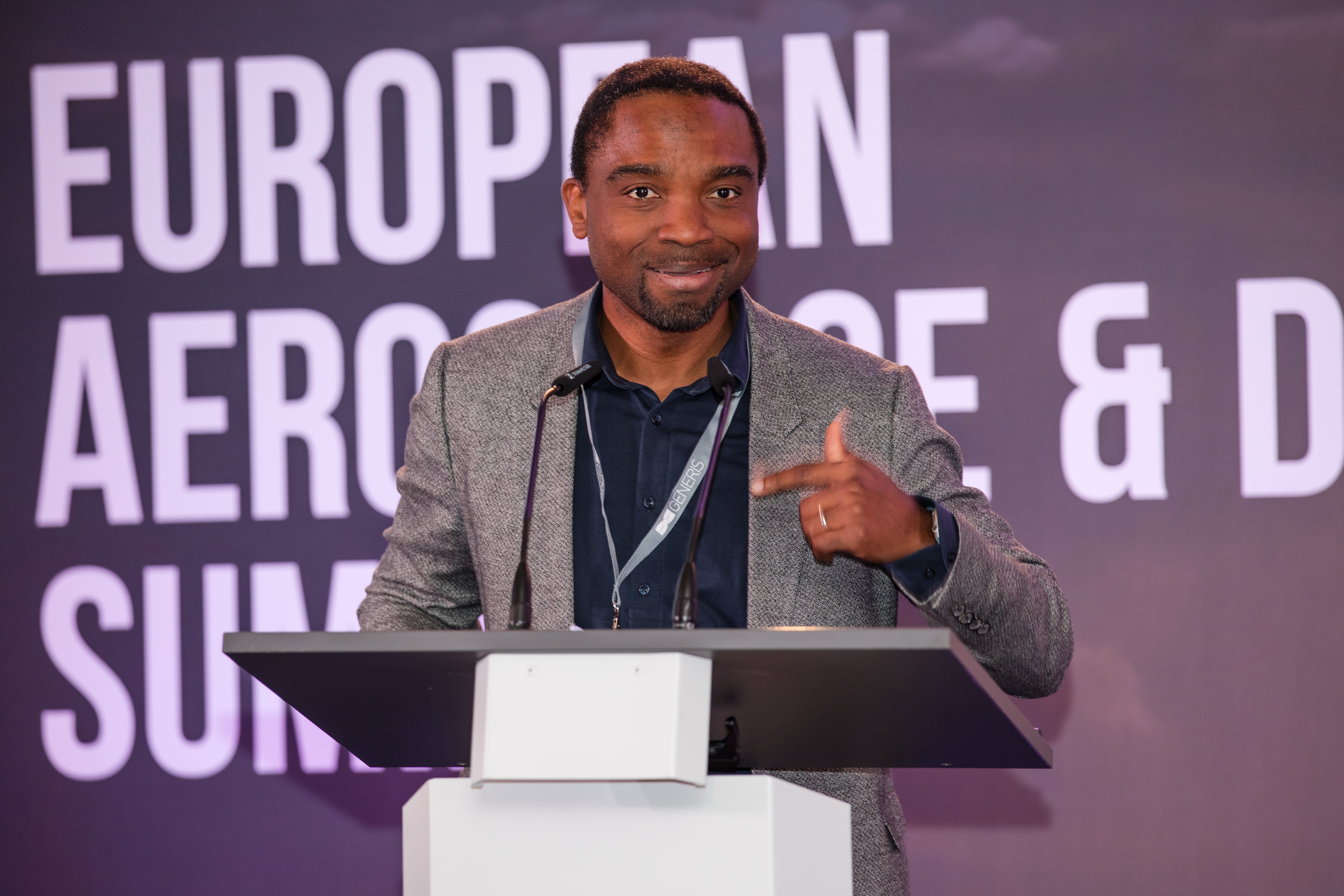
The summit opened with an engaging welcome from our emcees, [Armel Djeukou, Ph.D.](https://www.linkedin.com/in/armel-djeukou/), SVP, Digital Products Ecosystem at [Airbus](https://www.airbus.com/en), and [Dominic Perez](https://www.linkedin.com/in/dominicperez/), CTO, Defense Solutions at [Curtiss-Wright](https://curtisswright.com/).
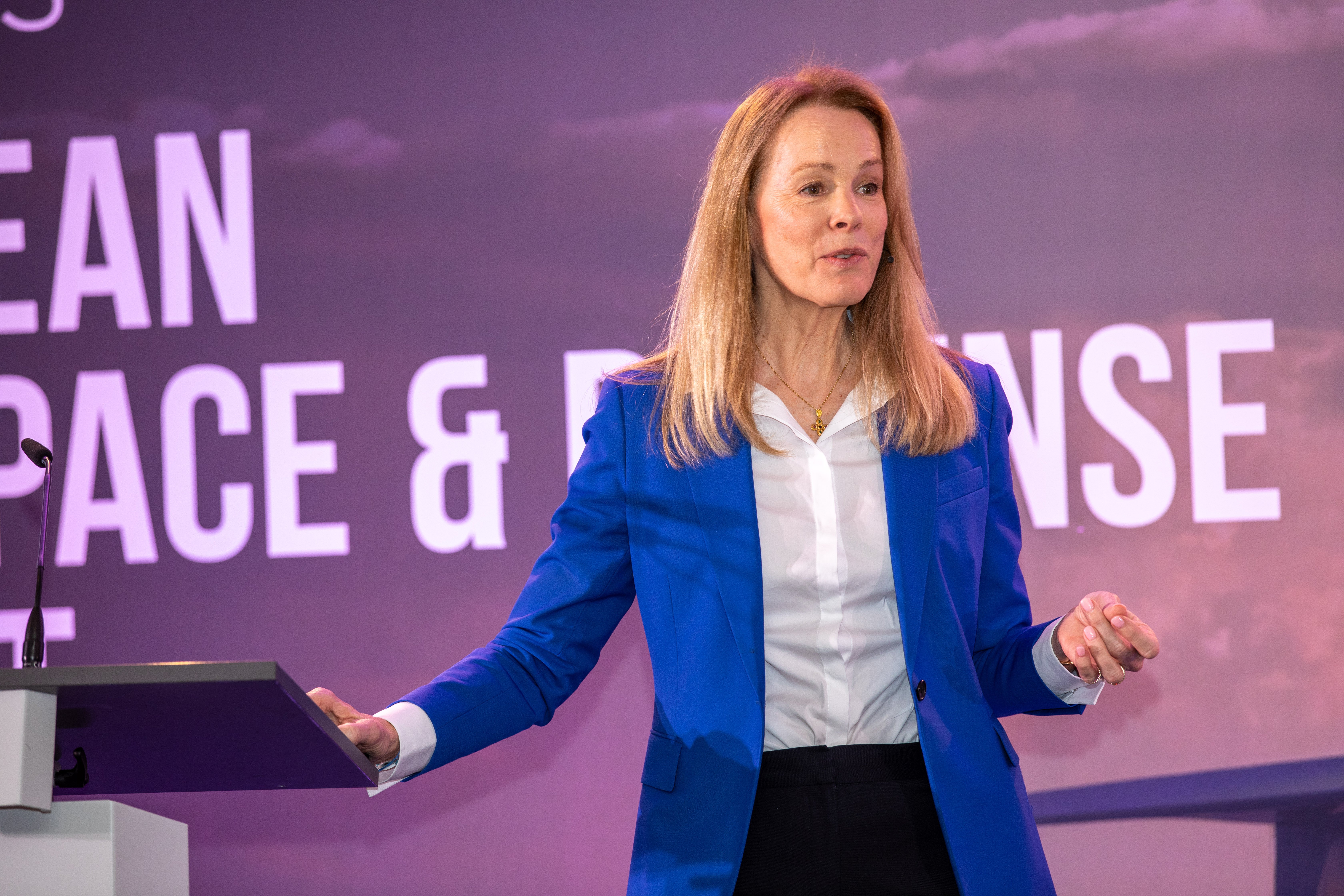
[Sam Deneke](https://www.linkedin.com/in/samdeneke/), President of Raytheon Air and Space Defense Systems at [RTX](https://www.rtx.com/), continued the momentum as the opening keynote. In his session, *“Advancing Air and Space Defense: Innovation, Integrated Partnerships and Industrial Readiness,”* Sam addressed the critical inflection point facing the defense industry as rapidly evolving threats, rising demand, and lessons from recent conflicts reshape global security priorities. He emphasized that no single country or organization can meet today’s challenges alone, highlighting the importance of interoperability, joint development, and stronger international collaboration. The session also explored Europe’s essential role in expanding industrial capacity, increasing munitions production, and building diverse, future-ready supply chains, as well as how RTX is working with partners across Europe to deliver integrated, layered air and space defense capabilities at greater speed and scale.
[Dominic Perez](https://www.linkedin.com/in/dominicperez/), CTO, Defense Solutions at [Curtiss-Wright](https://curtisswright.com/), delivered an insightful plenary on strengthening command, communications, and resilience across modern defense operations. His session, “Securing the Tactical Edge: AI-Enabled Command, Communications & Resilient Defense Networks,” explored how edge computing, AI-powered data processing, secure communications, and modular command infrastructure are improving decision-making and connectivity in contested environments. It offered a focused look at the technologies helping defense organizations maintain a tactical advantage across land, sea, air, and space.
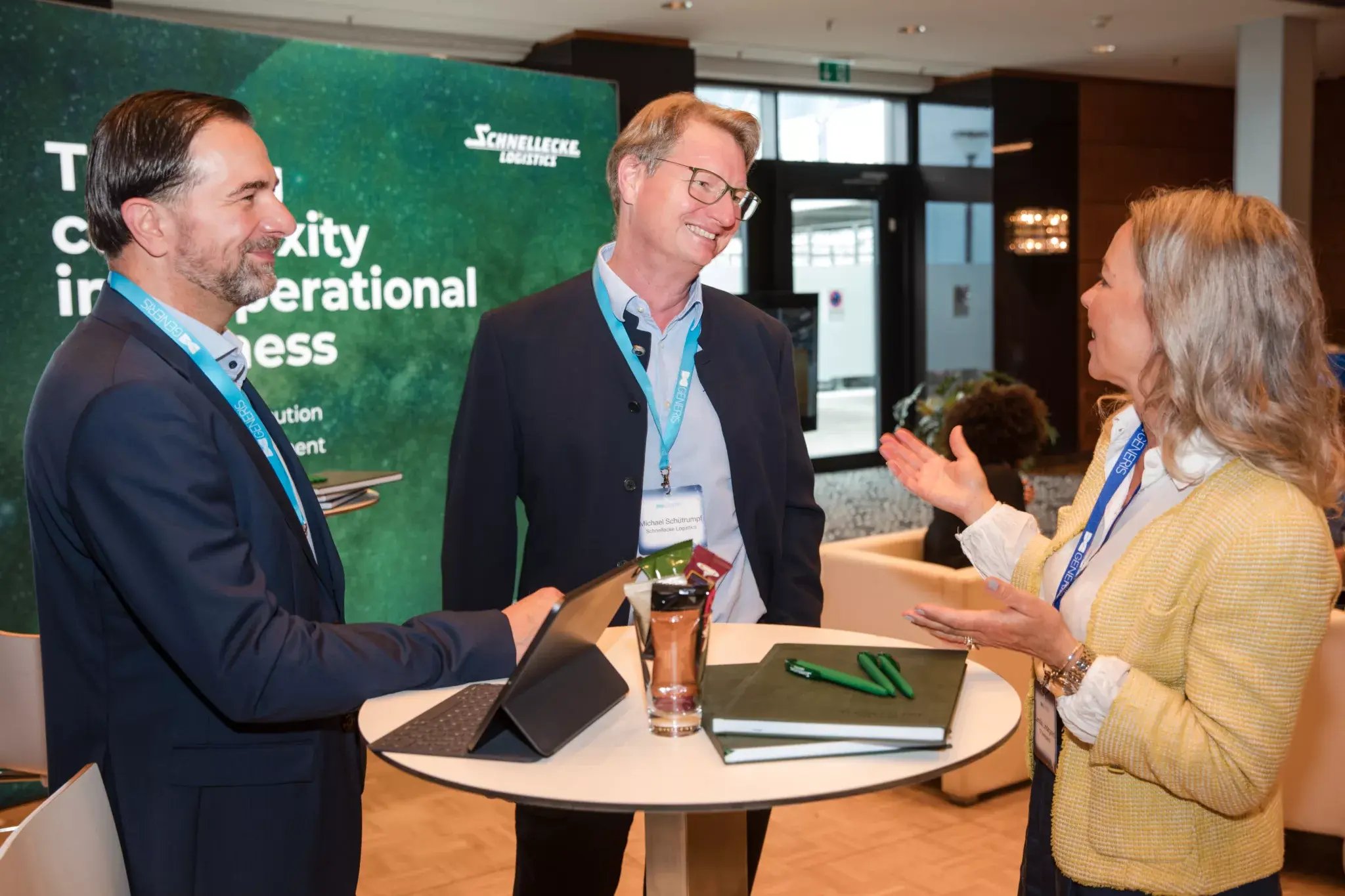
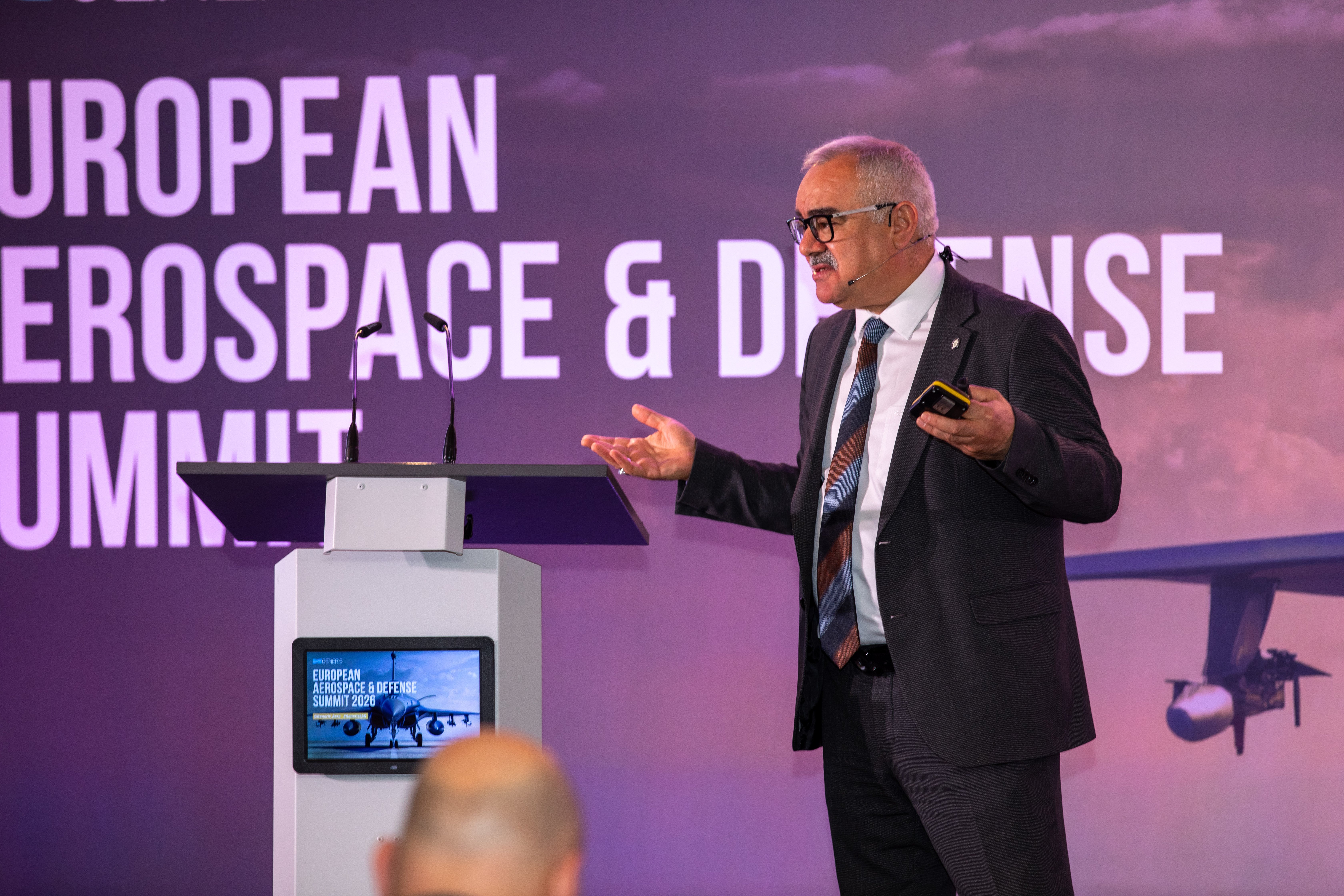
[Michael Schütrumpf](https://www.linkedin.com/in/schnellecke/), Chief Technology and Operations Officer at [Schnellecke Logistics](https://www.schnellecke.com/en/home/), shifted the focus to turning operational complexity into readiness. His insights offered an engaging look at how organizations can build greater stability and control across complex operations. He explored how connecting systems, processes, and shopfloor execution can improve visibility, inventory accuracy, traceability, and audit readiness, while standardized workflows, clear ownership, and aligned workforce deployment support faster ramp-up and more stable operations.
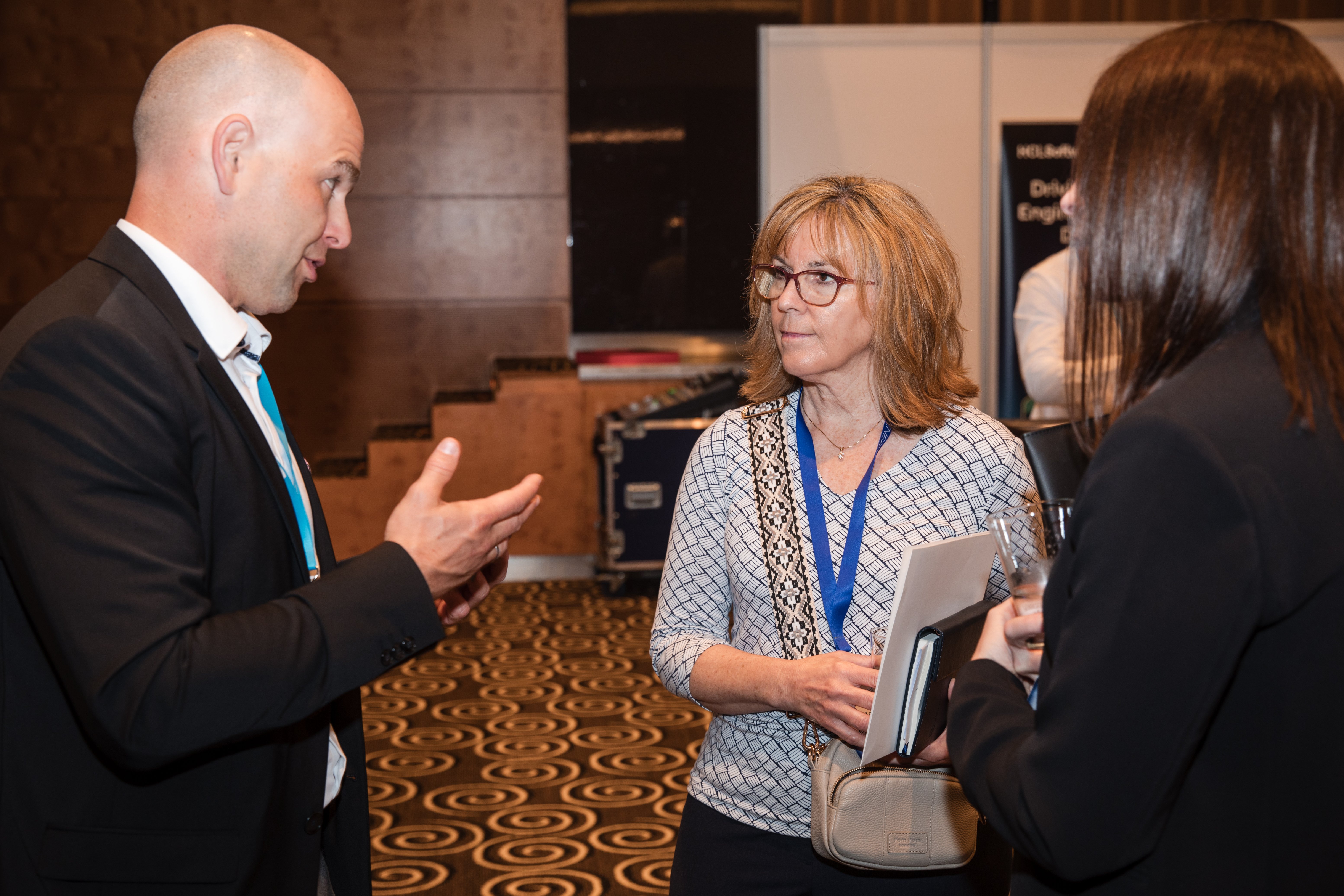
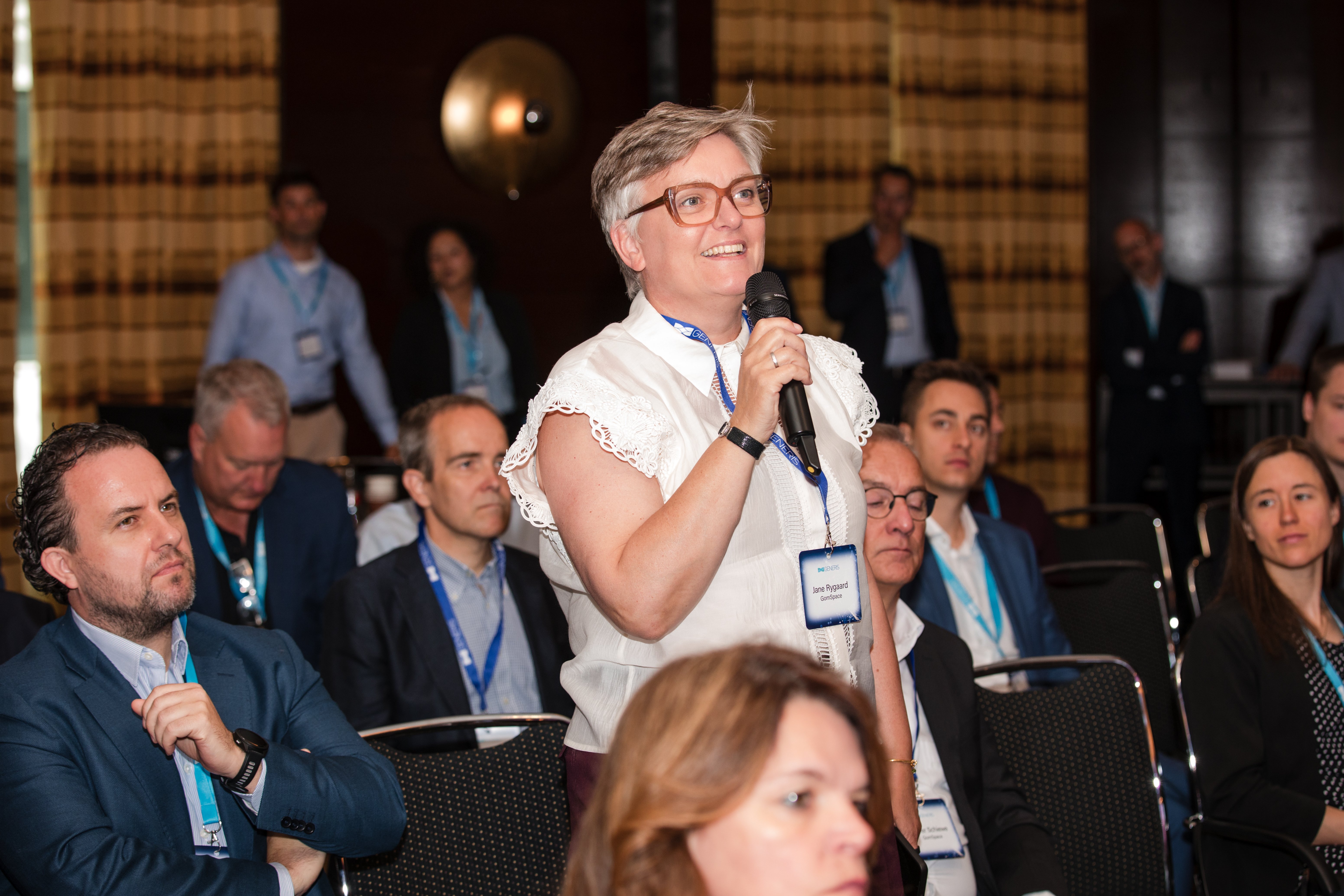
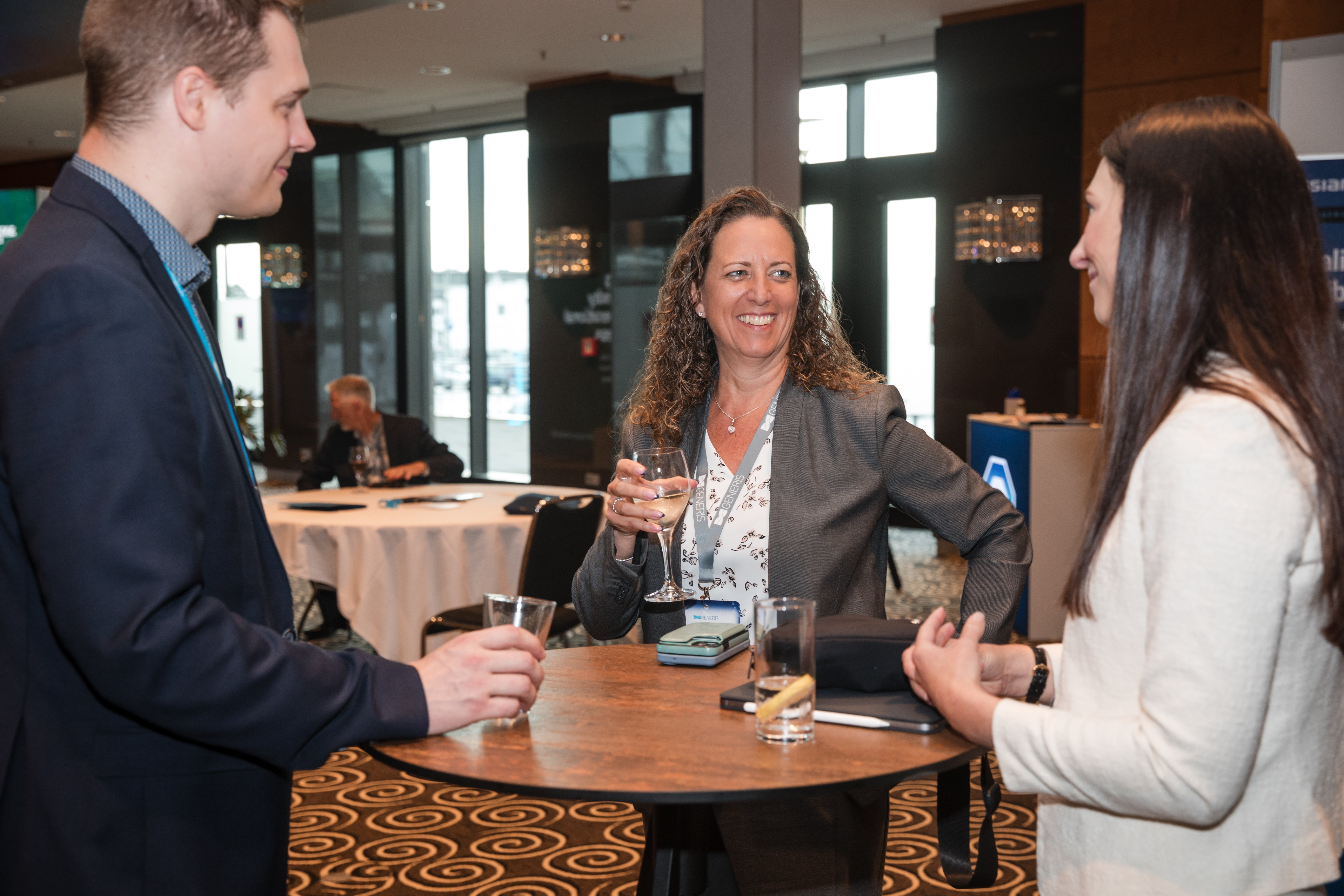
The opening sessions created strong momentum for the day, combining practical insights with forward-looking industry perspectives. During the networking break and structured 1:1 meetings, attendees built new connections, exchanged ideas, and continued the conversations inspired by the morning’s discussions.
- 
- 
- 
## From Mission Planning to Manufacturing Excellence | Expert-Led Sessions
Attendees then joined two dedicated streams, Manufacturing & Operations and Supply Chain & Logistics, creating space for more focused discussions on the priorities, challenges, and strategies most relevant to their organizations.
In the Manufacturing & Operations stream, [Raashi Quattlebaum](https://www.linkedin.com/in/raashi-quattlebaum/), VP, Land and Maritime Solutions at [Lockheed Martin](https://www.lockheedmartin.com/), delivered an insightful session on how simulation and data are reshaping mission planning and defense decision-making. Her presentation explored the role of digital engineering, AI-enabled war-gaming, predictive analytics, and digital twins in evaluating mission outcomes, improving readiness, and reducing operational risk. She also highlighted how interoperable simulation environments can support faster acquisition decisions, virtual prototyping, and more effective planning across land, maritime, air, cyber, and space operations.
Meanwhile, in the Supply Chain & Logistics stream, [Mike Robb](https://www.linkedin.com/in/michaelrobb/), VP, Engineering, Aerospace Electronics at [Woodward](https://www.woodward.com/), examined how cybersecurity and aviation standards are increasingly converging. His session explored how regulators, including the FAA, Transport Canada, and EASA, are treating cybersecurity as a core aviation safety requirement, and what this means for airworthiness, compliance, and certification. He also highlighted how aerospace and defense organizations can build more unified compliance frameworks, strengthen resilience, and reduce the risk of costly delays to system approval and fleet readiness.
The morning concluded with two focused workshops. [Reid Coultas](https://www.linkedin.com/in/reid-coultas-54422642/) and [Leon Workin](https://www.linkedin.com/in/leon-workin-9439786/) from [Dassian](https://www.dassian.com/), and [Romain Bieth](https://www.linkedin.com/in/romain-bieth/) at [Druits Europe](https://druits.com/) led a fireside chat on where digital continuity breaks down across manufacturing, operations, and MRO, and how a unified digital backbone can improve coordination, compliance, and planning. In parallel, [Pranav Khurjekar](https://www.linkedin.com/in/pranav-khurjekar/), Director, Technical Sales at [HCL Software](https://www.hcl-software.com/), explored how AI- and ML-driven design-for-manufacturing tools can reduce costs, improve product quality, and support a “Design Right the First Time” approach.
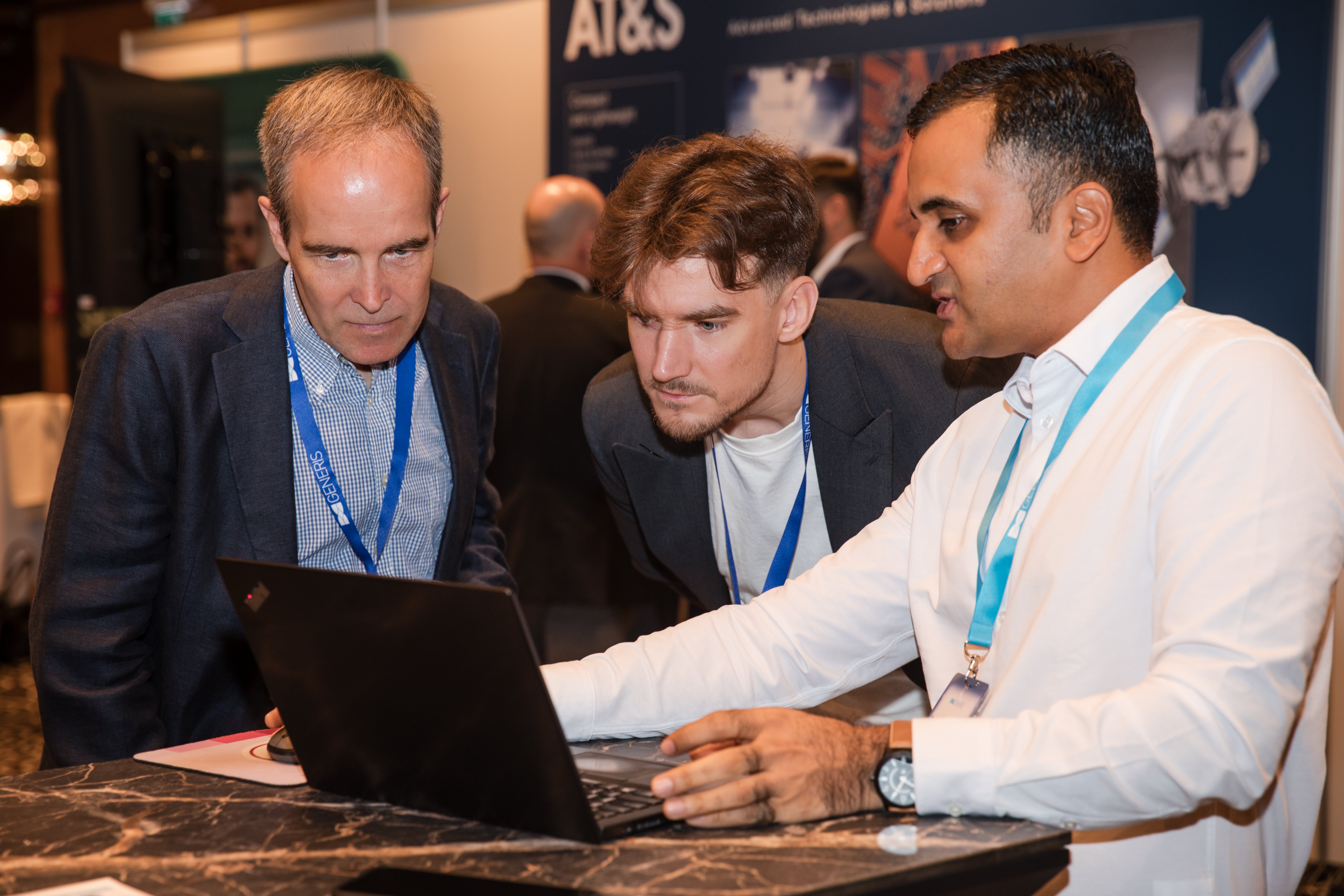
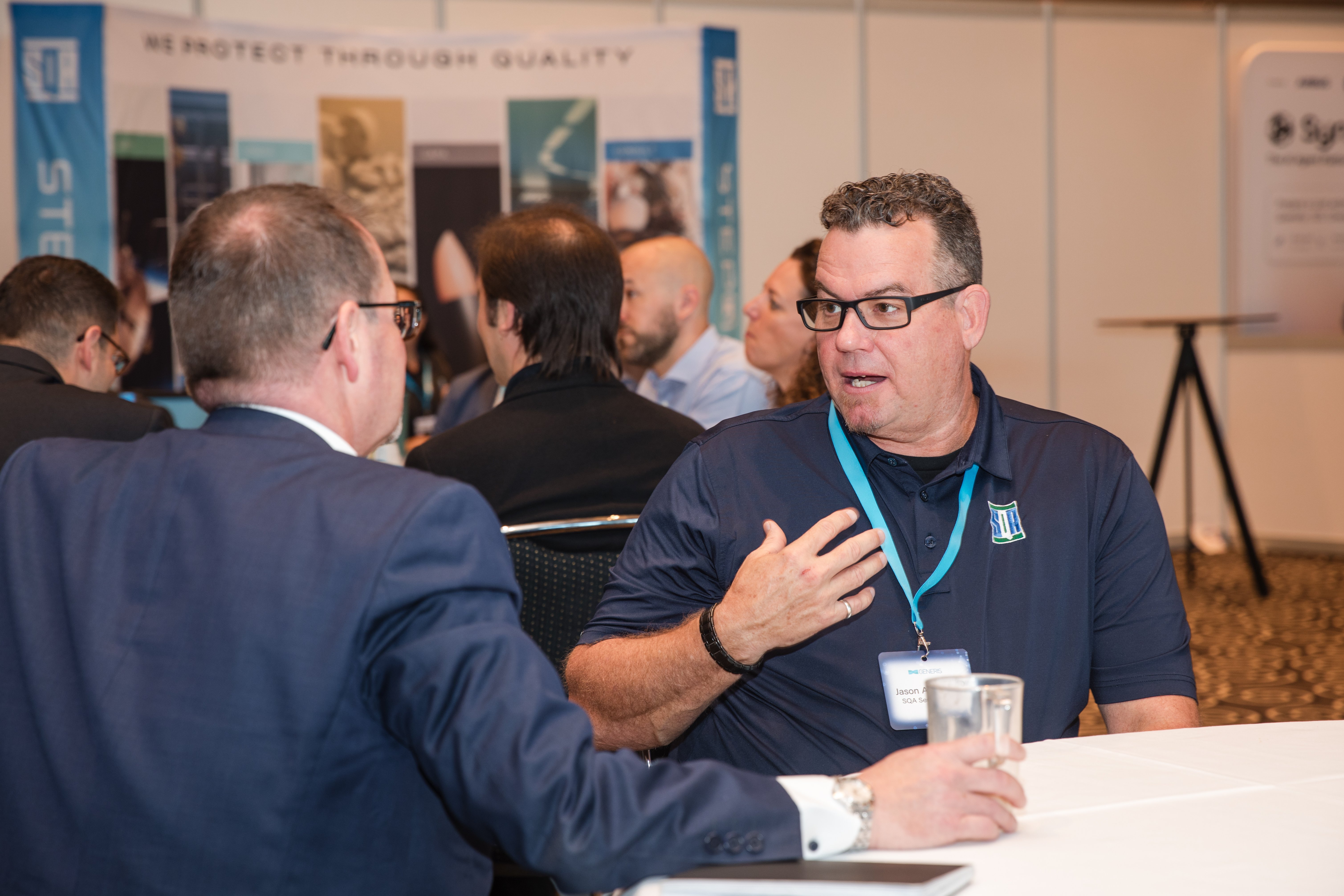
The exhibit hall was buzzing over lunch as attendees joined small-group Lunch & Learn Roundtables for candid, solutions-focused discussions. [Michael Schütrumpf](https://www.linkedin.com/in/schnellecke/) of [Schnellecke Logistics](https://www.schnellecke.com/en/home/) explored improving shopfloor inventory accuracy, quality control, and audit readiness, while [Greg Pilon](https://www.linkedin.com/in/gregpilon/) of [TTM Technologies](https://www.ttm.com/en) examined scaling high-reliability electronics manufacturing for next-generation defense platforms. [Wolfram Zotter](https://www.linkedin.com/in/wolfram-zotter-global/) of [AT&S](https://ats.net/en/) discussed advances in PCB technology for RF, power, and miniaturization, and [Jason Anderson](https://www.linkedin.com/in/jasonedwardanderson/) of [SQA Services](https://www.sqaservices.com/) shared pre-production strategies for reducing aerospace supply chain risk. [Richard Porter](https://www.linkedin.com/in/richard-porter-b700522/) of [Velotic](https://www.velotic.com/) rounded out the sessions with practical insights into accelerating manufacturing digitization and operational excellence amid workforce and supply chain pressures.
- 
- 
- 
## A Flight Plan for Resilient Defense Operations | Day 1 Afternoon Highlights
Kicking off the afternoon, [Karen Quimby](https://www.linkedin.com/in/karenquimby/), VP, Supply Chain at [BAE Systems](https://www.baesystems.com/en/), explored how greater supply chain visibility can improve production efficiency across aerospace and defense operations. She highlighted the value of end-to-end network mapping, real-time part tracking, secure digital records, and centralized dashboards in monitoring inventory and supplier performance. The session also examined how trusted data-sharing can help partners align production schedules, strengthen traceability, and reduce delays across complex global supply networks.
In the Manufacturing & Operations stream, [Michelle Richard](https://www.linkedin.com/in/michellerichardthales/), VP, Procurement at [Thales](https://www.thalesgroup.com/en/worldwide), explored how digital procurement is strengthening defense supply chains. She highlighted the role of predictive analytics, diversified supplier networks, and stronger partnerships in improving visibility, agility, and resilience while balancing cost, security, and compliance.
Shifting the conversation to supply chain leadership, Donna Clardy, Director, Enterprise and Strategic Sourcing at [Lockheed Martin](https://www.lockheedmartin.com/), explored how strategic supply chain leadership can strengthen operational excellence. She highlighted the importance of high-trust supplier partnerships, aligned demand planning, and coordinated stakeholder engagement in supporting seamless program execution and continuous improvement.
Following a second networking break, structured 1:1 meetings, and a lively happy hour, attendees reconvened for the final plenary session. [Greg Pilon](https://www.linkedin.com/in/gregpilon/), VP, Customer Experience & Growth at [TTM Technologies](https://www.ttm.com/en), explored how high-reliability electronics manufacturing is supporting mission-critical aerospace and defense programs. He highlighted the importance of scaling advanced PCB technologies, strengthening allied manufacturing capacity, maintaining strict quality and certification standards, and partnering early with OEMs to improve manufacturability and long-term program performance.
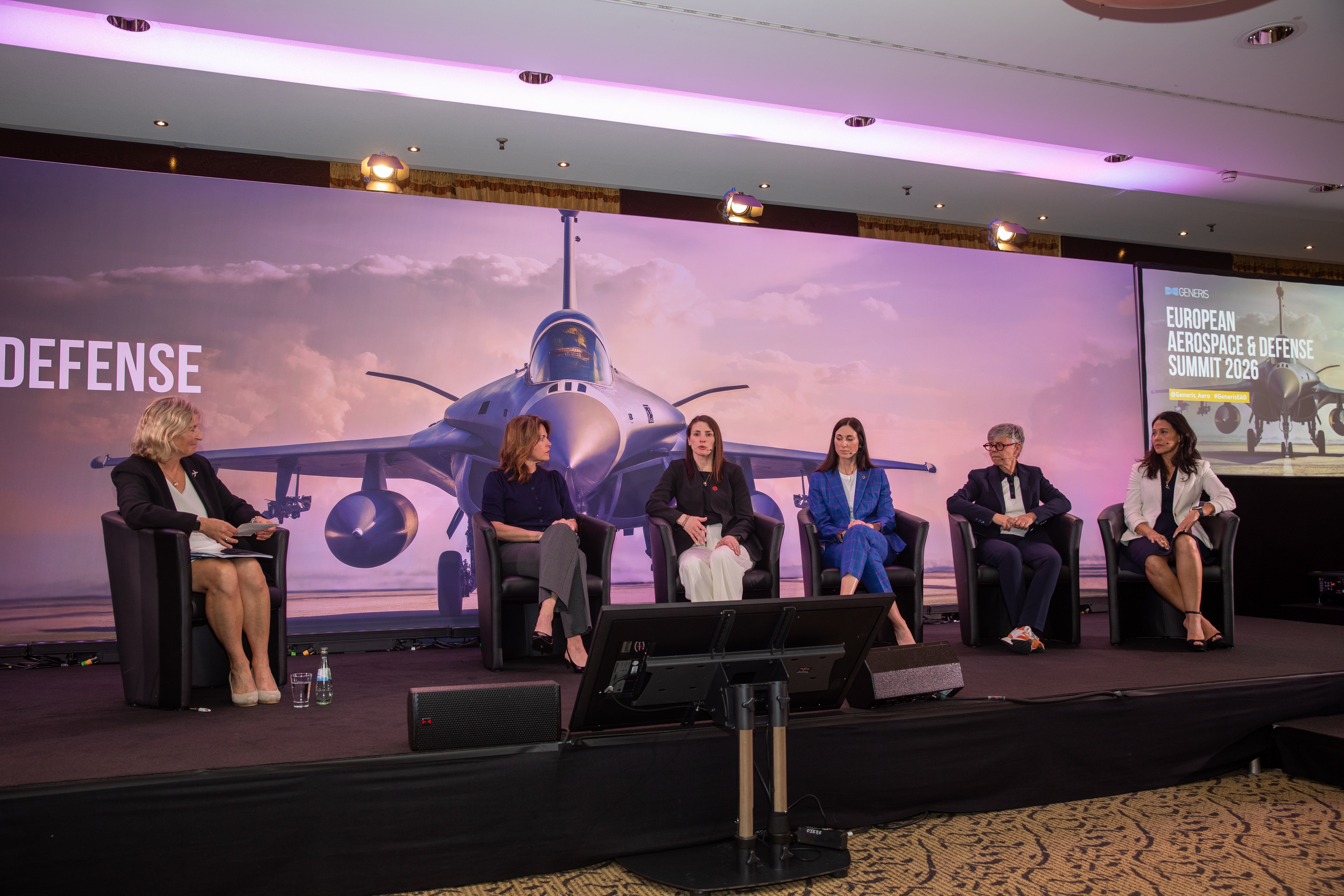
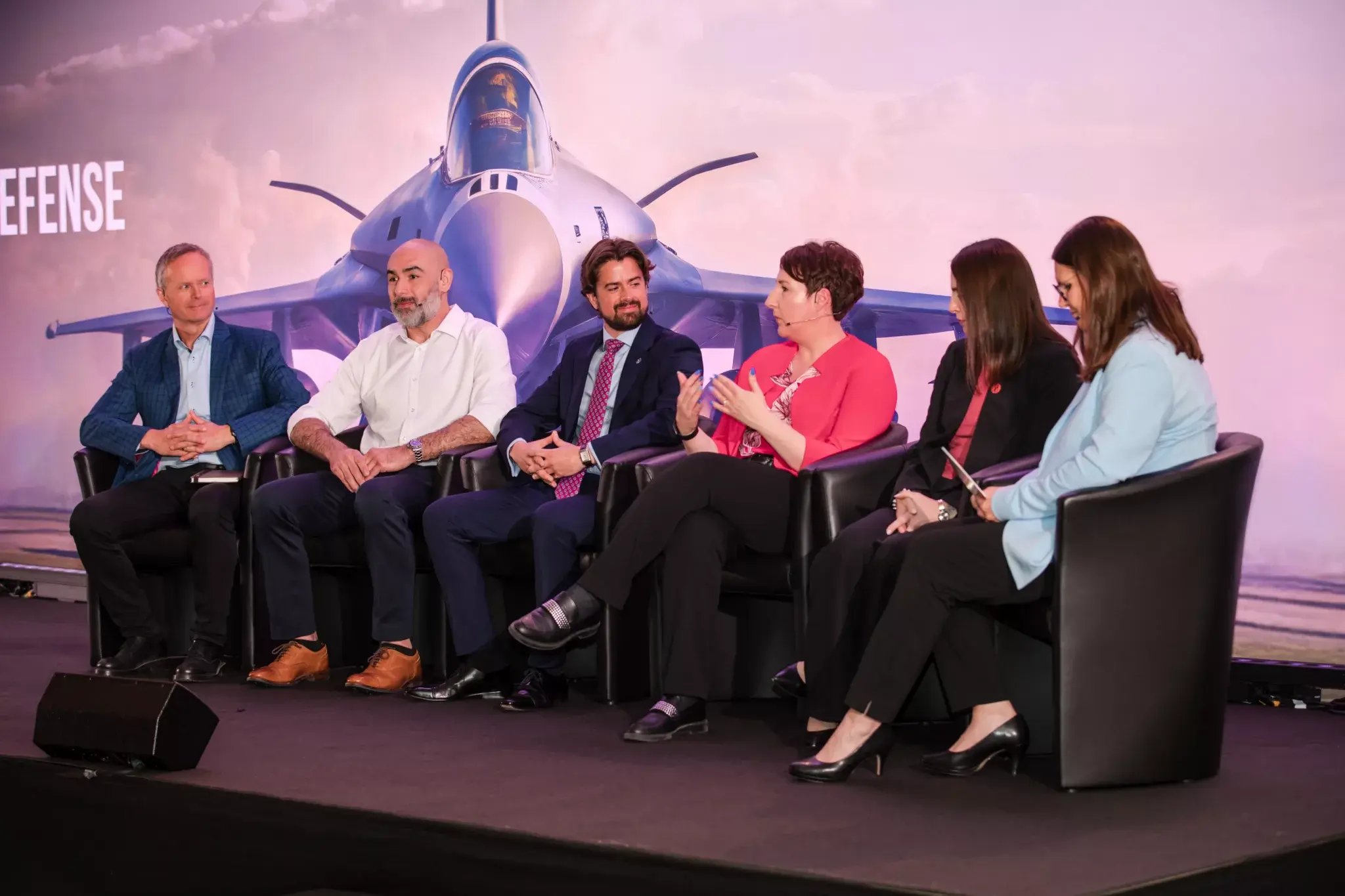
Day 1 closed on a high note with a final panel discussion on “Attracting, Retaining, and Developing Top Talent for the Future.” [Peter Raadal](https://www.linkedin.com/in/peter-lerche-raadal-348ba83/) of [Nammo](https://www.nammo.com/), [Dominic Perez](https://www.linkedin.com/in/dominicperez/) of [Curtiss-Wright](https://curtisswright.com/), [Joanna Rayson](https://www.linkedin.com/in/joanna-rayson-2b192132/) of [Babcock International Group](https://www.babcockinternational.com/), [Ricky Mansfield](https://www.linkedin.com/in/ricky-mansfield-ceng-fraes-cmgr-fcmi-14867455/) of [Safran](https://www.safran-group.com/), [Kimberly Ricker](https://www.linkedin.com/in/kimberly-ricker-waters/) of [L3Harris Technologies](https://www.l3harris.com/), and [Kathrin Hess](https://www.linkedin.com/in/kathrinhess/) of [Manpower](https://www.manpower.com/) shared perspectives on addressing talent shortages, strengthening technical and leadership pipelines, and preparing the workforce for AI, automation, and advanced technologies. The panel also explored reskilling, mentorship, cross-industry mobility, and building adaptable cultures that support long-term engagement.
The day wrapped up with a lively Networking Drinks Reception, sponsored by [CTP](https://ctp.eu/), giving attendees the chance to continue conversations, strengthen connections, and reflect on an impactful first day.
- 
- 
- 
Day 2: Engineering the Next Generation of Aerospace & Defense Manufacturing
Day 2 opened with a forward-looking plenary from [Prof. Fahrettin Öztürk](https://www.linkedin.com/in/fahrettin1971/?locale=en), EVP, Aerostructures at [Turkish Aerospace Industries](https://www.tusas.com/en). In *“Scaling Aerospace Innovation from Prototype to Production,”* he explored how aerospace organizations can move advanced concepts into full-scale production while maintaining safety, quality, and certification standards. His session also highlighted digital design integration, additive manufacturing, and closer alignment between engineering, strategy, and production as key drivers of faster innovation, lower costs, and more agile growth.
Taking the stage next, [Melissa Orme, Ph.D.](https://www.linkedin.com/in/melissa-orme/), VP, Boeing Materials and Structures, Additive Manufacturing at [Boeing](https://www.boeing.com/), presented *“Scaling Additive Manufacturing for Mission-Critical Aerospace and Defense Applications.”* She explored how additive manufacturing is accelerating production, improving design flexibility, reducing lead times, and strengthening supply chain resilience through more localized capabilities. The session also highlighted industry collaboration, wider adoption across defense platforms, and the workforce skills needed to scale these technologies successfully.
Closing the morning with a compelling plenary, [Dennis Fröhlich](https://www.linkedin.com/in/dennis-fr%C3%B6hlich-9ba40b202/) and [Johannes Röck](https://www.linkedin.com/in/johannes-r%C3%B6ck/) of [Siemens](https://www.siemens.com/en-us/) brought the digital thread to life in “Model-Based Smart Manufacturing: Building an End-to-End Digital Thread in Aerospace & Defense.” They showed how connected digital processes can unite engineering, commissioning, and production, while improving traceability, accelerating change management, and embedding quality from the start. The session offered an exciting look at how real-time data, simulation, and closed-loop feedback are creating smarter, more adaptive aerospace and defense manufacturing systems.
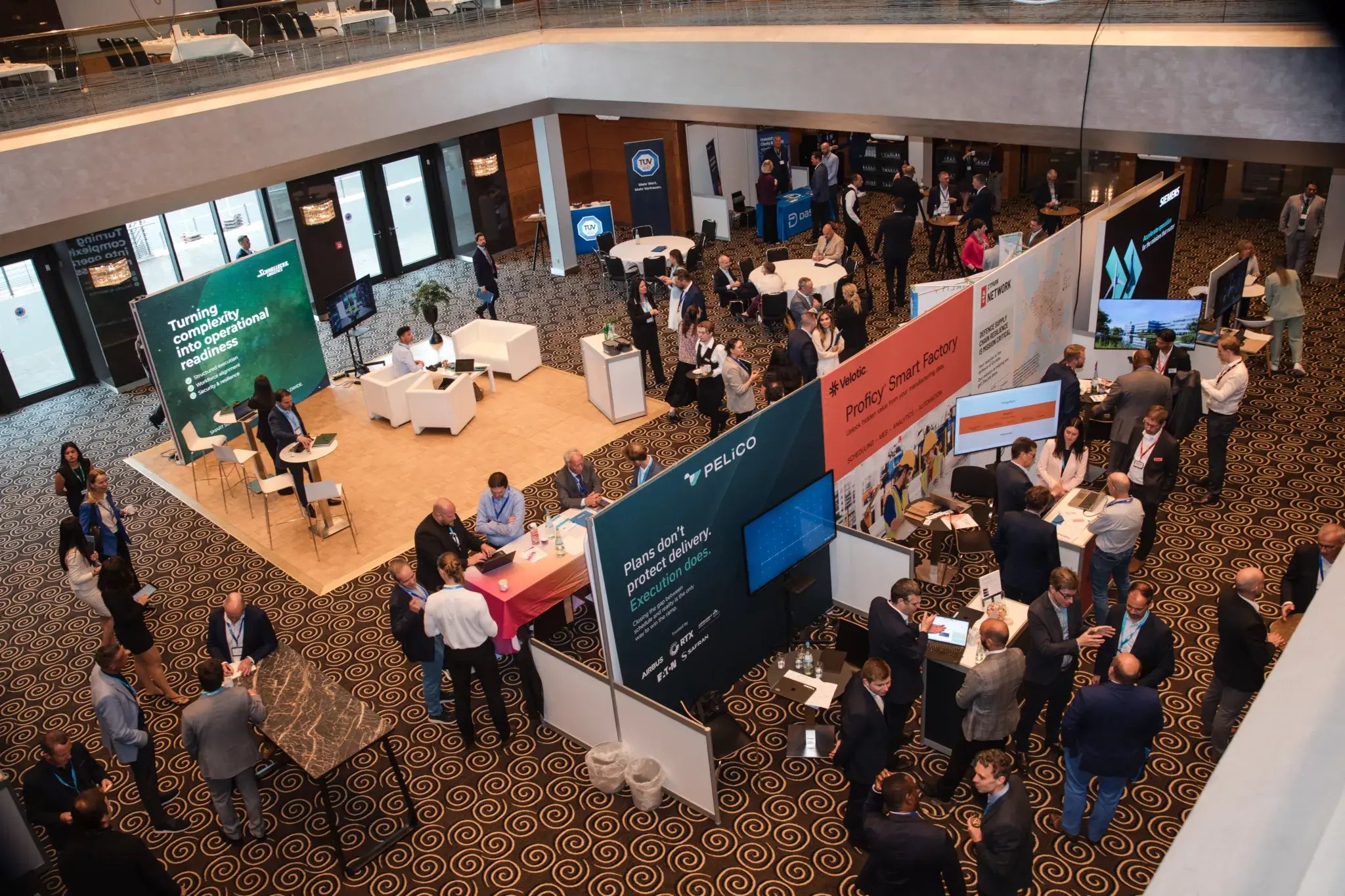
The mid-morning break kept the momentum going, giving attendees time to connect with exhibitors, continue conversations sparked on stage, and exchange ideas with industry peers. With fresh perspectives from the morning sessions, participants returned energized for the afternoon ahead.
- 
- 
- 
## Local Strength, Global Reach | Afternoon Highlights
The afternoon split into two high-impact streams, each tackling a critical challenge for Europe’s aerospace and defense sector. In Manufacturing & Operations, [Marco Hüging](https://www.linkedin.com/in/marco-h%C3%BCging-9167a91b6/), Head, Supply Chain Management at [Rheinmetall](https://www.rheinmetall.com/en), examined whether true localization is possible in Europe, highlighting supplier development, dual-sourcing, workforce readiness, digital traceability, and Rheinmetall Aviation Services’ expansion into F-35A production in Germany. In Supply Chain & Logistics, [Hendrikje Genung](https://www.linkedin.com/in/hendrikje-genung-4369a21/), Executive Director, Logistics at [RTX](https://www.rtx.com/), explored how trust, aligned incentives, data-sharing, and cross-business leadership can break down silos and accelerate supply chain innovation across global aerospace and defense networks.
The two streams continued with practical insights into building stronger, more production-ready aerospace and defense operations. In Manufacturing & Operations, [Murat Aslan](https://www.linkedin.com/in/murat-aslan-phd-pmp-6662541b/), VP, Supply Chain at [Aselsan](https://www.aselsan.com/en), explored how end-to-end visibility, capacity management, supplier collaboration, continuous improvement, and compliance can create more resilient defense supply networks. In Supply Chain & Logistics, [Dhwani Trivedi](https://www.linkedin.com/in/dtrivedi/) and [Susanne Lee](https://www.linkedin.com/in/susanne-lee-a5a127119/) of [L3Harris Technologies](https://www.l3harris.com/) examined how early design decisions shape production success, highlighting manufacturability, materials selection, assembly feasibility, and the trade-offs between cost, performance, reliability, and maintainability.
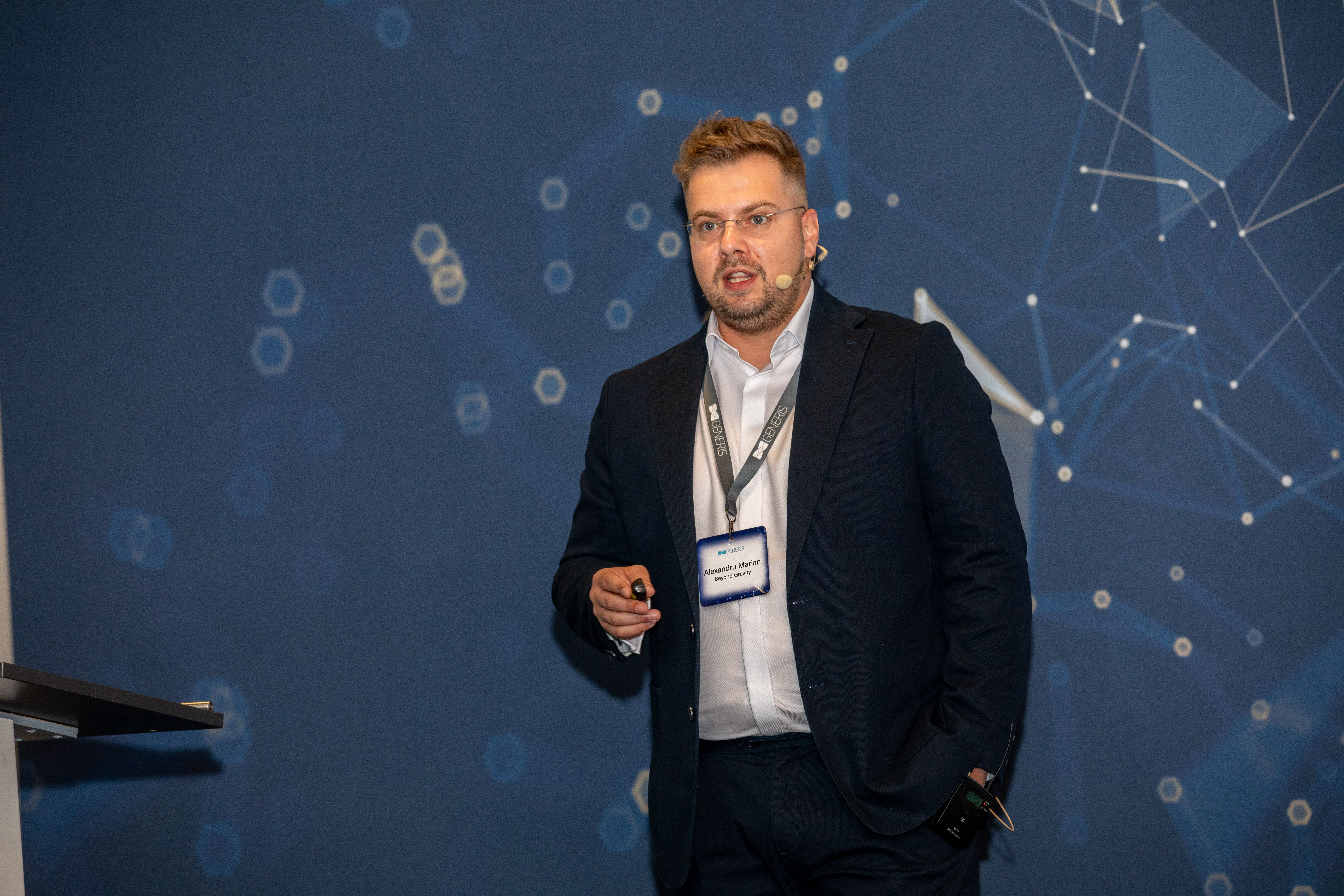
The final stream sessions kept the momentum high with a sharp focus on proactive planning and disciplined execution. In Manufacturing & Operations, [Jasmine Thériault](https://www.linkedin.com/in/jasmine-th%C3%A9riault-a315793/), Director, Procurement at [Bombardier](https://bombardier.com/en), explored how stronger supplier partnerships, diversified sourcing, proactive risk modeling, and closer ramp-up alignment can create a more preemptive aerospace supply chain. In Supply Chain & Logistics, [Alexandru Marian](https://www.linkedin.com/in/alexandru-marian-aerospace/), Global Director, Operations Strategy and Quality at [Beyond Gravity](https://www.beyondgravity.com/en), examined how aerospace and defense programs can balance efficiency, cost control, and quality through robust risk frameworks, earned value management, and stronger cross-functional alignment. From there, attendees carried the conversation into the Lunch & Learn Roundtables for more focused, peer-led discussion.
Building on those conversations, attendees gathered for focused Lunch & Learn Roundtables exploring some of the most pressing priorities across aerospace, defense, and space. Led by senior leaders from [Blue Origin](https://www.blueorigin.com/), [L3Harris Technologies](https://www.l3harris.com/), [SABCA](https://www.sabca.be/), [Moog](https://www.moog.com/), and [RTX](https://www.rtx.com/), the discussions covered global space supply chains, resilience in volatile markets, balancing cost and quality, building stronger communities of practice, and driving innovation through cross-business collaboration.
**Launching Ideas, Leaders, and Lunar Ambitions**
The summit then returned to the main stage for a dynamic panel discussion on “Building Mission-Ready Space Supply Chains Through Visibility, Resilience, and Collaboration.” [Ian Vanoorschot](https://www.linkedin.com/in/ian-vanoorschot-8b2b6310/), VP and Director, Supply Chain, UK and Europe at [Astroscale](https://www.astroscale.com/en); [Andrius Kubilius](https://www.linkedin.com/in/andriuskubiliusprivate/), Head, Supply Chain Department at [Kongsberg NanoAvionics](https://nanoavionics.com/); [Gianmarco Sorrentino](https://www.linkedin.com/in/gianmarco-sorrentino-6889a484/), Head, Procurement at [D-Orbit](https://dorbit.space/); [Alexandru Marian](https://www.linkedin.com/in/alexandru-marian-aerospace/), Global Director, Operations Strategy and Quality at [Beyond Gravity](https://www.beyondgravity.com/en); [Rodrigo Vilella Veira](https://www.linkedin.com/in/rodrigo-villela-6981912/), Director, Supply Chain Operations at [Deutsche Aircraft](https://www.deutscheaircraft.com/); and [Alexis Hartmann](https://www.linkedin.com/in/alexishartmann/), VP, Sales, EMEA at [Pelico](https://www.pelico.ai/) explored how real-time visibility, stronger supplier alignment, and adaptive sourcing strategies can improve mission readiness. The conversation also examined the role of AI, digital twins, and long-term partnerships in identifying vulnerabilities, strengthening resilience, and preparing space supply chains for next-generation production demands.
Following the panel, [Yen Matsutomi](https://www.linkedin.com/in/yen-matsutomi/), Ph.D., VP, Global Supply Chain Engineering and Global Expansion at [Blue Origin](https://www.blueorigin.com/), delivered “Driving Global Space Supply Chain Excellence for Sustainable Lunar and Orbital Operations.” She explored how resilient global supply networks, innovative logistics strategies, and cross-functional collaboration are supporting spacecraft production and launch readiness. The session also highlighted in-space refueling, sustainable lunar operations, and the partnerships helping accelerate delivery across the New Glenn and Blue Moon programs.
The summit closed with an inspiring Women in Leadership panel that brought honesty, perspective, and powerful career insights to the main stage. [Michelle Richard](https://www.linkedin.com/in/michellerichardthales/), VP, Procurement at [Thales](https://www.thalesgroup.com/en/worldwide); [Mandy Trainer](https://www.linkedin.com/in/mandy-trainer/), VP, BDS Fabrication at [Boeing](https://www.boeing.com/); [Silvia Gasparetto](https://www.linkedin.com/in/silviagasparetto/), Head, Procurement, In-Service Fleet at [Deutsche Aircraft](https://www.deutscheaircraft.com/); [Kimberly Ricker](https://www.linkedin.com/in/kimberly-ricker-waters/), VP, Supply Chain at [L3Harris Technologies](https://www.l3harris.com/); [Hana Renstrom](https://www.linkedin.com/in/hanalir/), Director, Supply Chain at [Lockheed Martin](https://www.lockheedmartin.com/); and Marita Lintener, President of IAWA, shared thoughtful reflections on leadership, resilience, mentorship, sponsorship, and creating stronger pathways for women across aerospace and defense. Their candid advice, practical lessons, and encouragement offered an uplifting and memorable conclusion to the summit, while challenging organizations to build cultures where more women can be seen, supported, and empowered to lead.
- 
- 
Hover message
- 
---
**Building the Networks and Leaders Behind the Mission**
The European Aerospace & Defense Summit brought senior leaders together for two high-impact days of fresh perspectives, valuable connections, and timely discussions shaping the future of the industry. With momentum already building for 2027, including several familiar voices preparing to return to the stage, we look forward to welcoming the aerospace and defense community back for another memorable summit.
Be part of the conversations shaping what comes next. Learn more and secure your place at: [aerosummiteu.com](https://aerosummiteu.com/)
---
## **Testimonials**
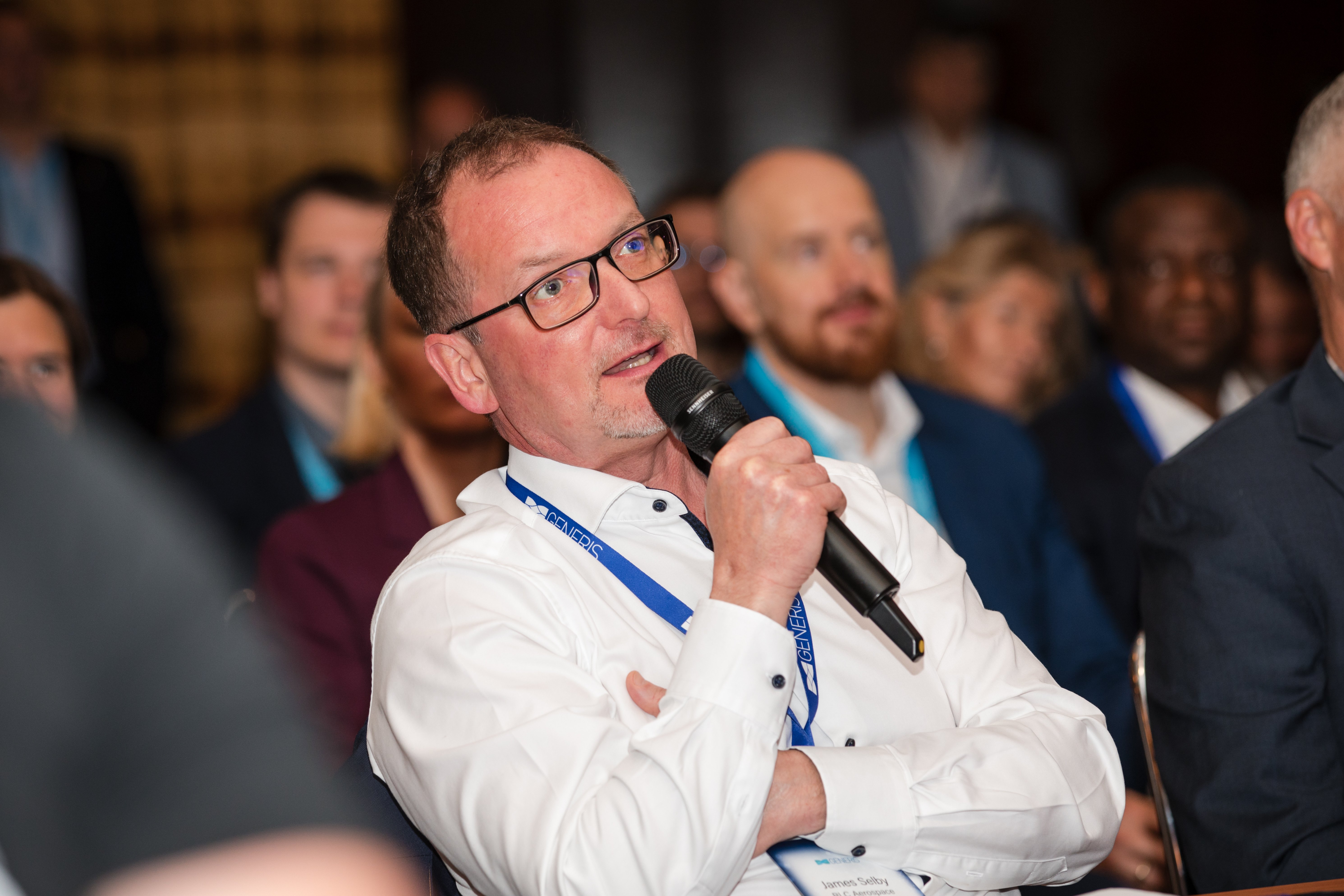
“Stimulating on many fronts with a strong injection of thought leadership from a wider variety of companies in the A&D sector. Well-balanced agenda between speakers, networking breaks and 1-2-1s/Round Tables.”
**James Selby, Chief Customer & Strategy Officer, RLC**
“The summit was really inspiring. Meeting other companies with the same challenges gives opportunities for working together, implementing state-of-the-art solutions. We cannot meet tomorrow's challenges with yesterday's solutions.”
**Kristine Vandierendonck, Quality Director, SABCA**
“EAD 2026 was an informative and valuable event that provided an excellent opportunity to engage with experts from diverse backgrounds and discuss shared industry challenges as well as the future of allied readiness. The presentations were of a high quality, and the networking opportunities and one-to-one meetings were particularly beneficial. I especially appreciated the international atmosphere, the openness of the discussions, and the willingness of participants to share insights and perspectives.”
**Ron Kuijpers, Vice President Sales EMEA, Schnellecke Logistics SE**
“Very nice Event, well organized, Great speaker and Panel Discussions.”
**Sven Brumund , Experis Brand Leader, MANPOWER Group**
“This is my third Generis summit, and I find the conference engaging and a great way to build relationships across our industry.”
**Chris Elleman, Chief Engineer, Moog**
“Very interactive and solid opportunity for knowledge sharing and networking. Overall experience has been outstanding. Professionally executed and staff was amazing.”
**Michael Murphy, Director, Methods NPD, Bombardier Aerospace**
“Very good, as we got to make great connections. The 1-1 meetings were great value add.”
**Pranav Khurjekar, Sales Director, Technical, HCL Software**
“A well-organized summit featuring insightful content, engaging speakers, and valuable discussions that left participants informed and inspired.”
**Serge Mbock, Director Operations, Safran Cabin Germany GmbH**
---
Learn more about our fall *2026 European events* and secure your spot today:
- [European Supply Chain Summit | 20-21 October 2026](https://supplychaineu.com/)
- [**European Packaging Summit | 27-28 October 2026**](https://eupacksummit.com/)
- **[European Biomanufacturing Summit | 24-25 November 2026](https://biomaneurope.com/)**
- [European Manufacturing Summit | 1-2 December 2026](https://manusummiteu.com/)

## [Devyn Smith Digital Marketing Specialist](https://blog.generisgp.com/blog/author/devyn-smith)
[VISIT HOMEPAGE](https://generisgp.com/)
## RECENT BLOGS
[](https://blog.generisgp.com/blog/taking-aerospace-and-defense-innovation-to-new-heights-highlights-from-the-european-aerospace-defense-summit)
[Aerospace & Defense](https://blog.generisgp.com/blog/tag/aerospace-defense), [Networking](https://blog.generisgp.com/blog/tag/networking), [Summit Recap](https://blog.generisgp.com/blog/tag/summit-recap)
### [Taking Aerospace and Defense Innovation to New Heights Highlights from the European Aerospace & Defense Summit](https://blog.generisgp.com/blog/taking-aerospace-and-defense-innovation-to-new-heights-highlights-from-the-european-aerospace-defense-summit)
The [European Aerospace & Defense Summit](https://aerosummiteu.com/) brought together senior leaders from across the aerospace, defense, and space...
by Devyn Smith
[Learn More](https://blog.generisgp.com/blog/taking-aerospace-and-defense-innovation-to-new-heights-highlights-from-the-european-aerospace-defense-summit)
[](https://blog.generisgp.com/blog/yanyan-huang-ph.d.-speaker-spotlight)
[Leadership](https://blog.generisgp.com/blog/tag/leadership), [Food & Beverage](https://blog.generisgp.com/blog/tag/food-beverage), [Speaker Spotlight](https://blog.generisgp.com/blog/tag/speaker-spotlight)
### [Quality Is Everyone’s Responsibility: Yanyan Huang on the Future of Food Safety \[Speaker Spotlight\]](https://blog.generisgp.com/blog/yanyan-huang-ph.d.-speaker-spotlight)
Introduction
by Rena Wu
[Learn More](https://blog.generisgp.com/blog/yanyan-huang-ph.d.-speaker-spotlight)
[](https://blog.generisgp.com/blog/black-mesa-the-3-am-call-no-qa-director-wants)
[Biomanufacturing](https://blog.generisgp.com/blog/tag/biomanufacturing)
### [Black Mesa: The 3 AM Call No QA Director Wants](https://blog.generisgp.com/blog/black-mesa-the-3-am-call-no-qa-director-wants)
## The 3 AM Call No QA Director Wants
## *Real Batch Record Nightmares and How Smart Technology Prevents Them*
{%...
by Raquel Paredes
[Learn More](https://blog.generisgp.com/blog/black-mesa-the-3-am-call-no-qa-director-wants)
[Back to Home Page](https://generisgp.com/)
---
```json
{
"@context" : "https://schema.org",
"@type" : "BlogPosting",
"author" : {
"@type" : "Person",
"name" : "Devyn Smith",
"url" : "https://blog.generisgp.com/blog/author/devyn-smith"
},
"dateModified" : "2026-08-12T13:07:28.778Z",
"datePublished" : "2026-08-12T13:07:28.000Z",
"headline" : "Taking Aerospace and Defense Innovation to New Heights Highlights from the European Aerospace & Defense Summit",
"image" : [ "https://blog.generisgp.com/hubfs/Screenshot%202026-07-18%20012805-1.png" ],
"mainEntityOfPage" : {
"@id" : "https://blog.generisgp.com/blog/taking-aerospace-and-defense-innovation-to-new-heights-highlights-from-the-european-aerospace-defense-summit",
"@type" : "WebPage"
},
"publisher" : {
"@type" : "Organization",
"logo" : {
"@type" : "ImageObject",
"url" : "https://blog.generisgp.com/hubfs/Generis%20Logo.png"
},
"name" : "Generis"
}
}
```