%20(1).png?width=773&height=112&name=Generis%20Logo%20full%20Colour%20(Large)%20(1).png "Generis Logo full Colour (Large) (1)")
As operational demands intensify and the pressure to maximize performance grows, manufacturers must optimize every aspect of their processes while ensuring collaboration across departments.
Ahead of his session at the American Manufacturing Summit, we’re thrilled to spotlight Enrique Porras, Vice President of Operations for the Consumer Group at RPM International, Inc. Enrique will be sharing how RPM is driving operational excellence by leveraging cross-functional leadership to maximize performance across manufacturing facilities, ensuring seamless coordination and sustained growth.
Get a sneak peek at Enrique's upcoming session below!

Can you introduce yourself and share more about your career and journey leading up to your current role as the VP, Operations, Consumer Group at RPM International?
I was born and raised in Mexico City, and migrated to the US in 2006 for a three-year plan. I have been here ever since and became a citizen in 2016.
I started my career as a front-line operator, and worked my way to this point by listening more than
talking, and learning more than teaching.
What processes, metrics, or operating rhythms have been most effective in aligning site leadership teams around shared goals and accountability?
Building relationships and spending time with my team has been fundamental to the enterprise
success. It is a big time commitment, but having a 1:1 with my direct reports every week is key to staying connected and making sure that I work on what they need from me.
From your experience, what are the biggest challenges manufacturers face when translating enterprise strategy into coordinated execution at the plant level?
Breaking down a strategy into action items that the team can relate to is very hard to do. This is transforming the executive level goal into actions that mean something at all levels of the organization.
EBIT % can translate to "1st hour full power" - we need to be at our standard no later than the first hour of the operation.
How do you develop leaders to think end-to-end—beyond their function—while maintaining strong operational discipline?
By using my brand: “One team – One dream”. Sharing goals and defining that we can only be successful if we win on all fronts makes a huge difference in how department heads approach the task on hand.
What is your approach to turning strategic pillars into a practical site roadmap—ownership, timelines, resourcing, and measurable outcomes?
Brutal prioritization and devoting time to working on what is important not only on what is urgent.
Can you provide an example of a strategy-driven change that required cross-functional coordination at the site level—how did you ensure quality, engineering, and supply chain were aligned from the start?
The scenario revolved around a global capacity expansion strategy, where our site needed to implement a higher-throughput packaging line. This required new engineering designs, updated quality controls, and a revised material flow and supplier readiness plan. Given the broad scope of the change, cross-functional alignment from the start was essential.
Instead of letting engineering lead the project and hand off tasks later, we formed a core team with equal representation from Quality, Engineering, Supply Chain, and Operations. Together, we set a shared goal: delivering a validated, fully staffed, and supply-ready line by a specific date, with zero disruption to current operations. This ensured everyone was aligned from the start, avoiding siloed efforts.
This prevented multiple, separate plans from emerging by facilitating a joint planning session that mapped critical path activities, interdependencies, required documentation, and risk points. It resulted in a master plan with clear owners and handoffs, where every function understood how their work impacted others.
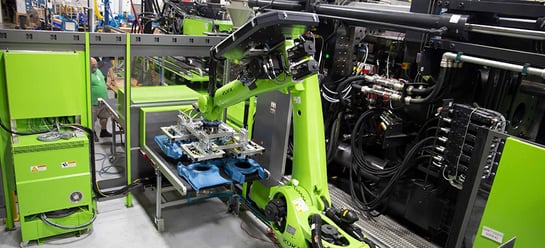
To avoid quality surprises later, we embedded QA and validation into the design phase, with QA reviewing engineering drawings, validation drafting protocols, and QC defining testing needs early. Weekly cross-functional risk reviews helped identify new risks, mitigation strategies, and timeline impacts, ensuring transparency and preventing last-minute issues, such as a supplier lead-time slip that was caught early.
We also initiated site-level change control at the project kickoff, requiring Quality, Engineering, and Supply Chain to define documentation and material changes early, ensuring evidence was continuously collected. Finally, a joint readiness review before go-live ensured that all functions were aligned and approved the project together.
As a result, the line launched on schedule, passed validation on the first attempt, and hit planned throughput within the first month. By fostering cross-functional alignment from the beginning, the site achieved a smooth and successful implementation.
What are you most looking forward to at the American Manufacturing Summit this year?
I’m looking forward to an opportunity to network and learn from key players in the industry, and learning how to be successful in this dynamic environment.
In a landscape where optimizing every operation is crucial to success, Enrique’s session offers valuable insights into driving performance through effective cross-functional leadership. Don’t miss this opportunity to hear from Enrique and other industry leaders at the American Manufacturing Summit on March 17-18 in Chicago.
Secure your final passes now at manusummit.com

-Jun-22-2026-06-51-53-5530-PM.png)